
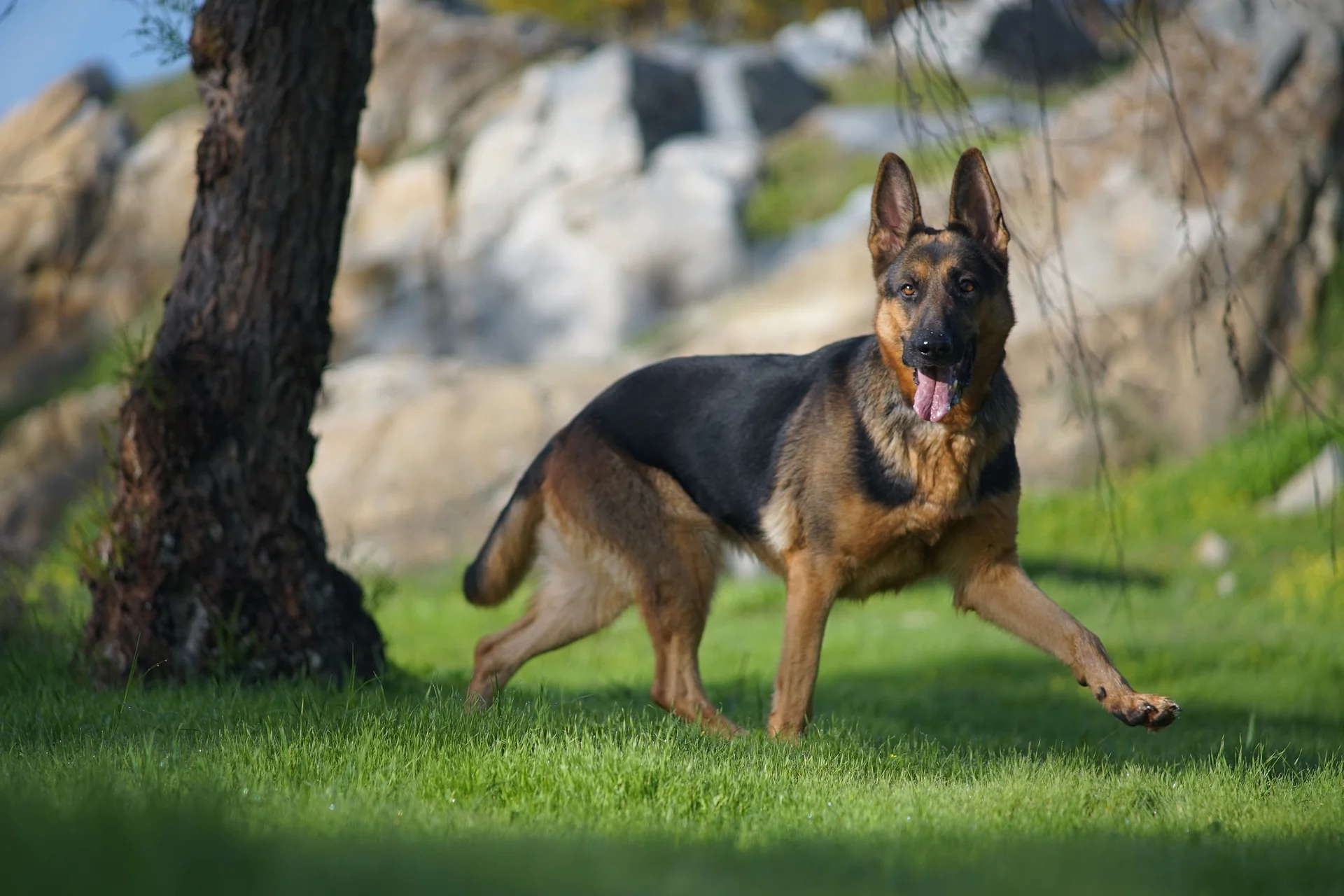
Owning a working-line dog from Czech German bloodlines can be one of the most rewarding experiences a dog lover can have. These dogs are intelligent, energetic and deeply loyal, but they also bring a lot of drive and intensity. To create a true partnership, you need more than affection. You need structure, patience and a clear plan that respects who your dog is.
Understanding the Czech German Line Shepherd Temperament
To build a strong connection, it’s important to understand what drives this breed. Czech-bred shepherds were created for challenging tasks like protection, tracking, and service roles. They are often quite confident, attentive, and quick to respond to changes around them.
Your dog might just be a bit cautious around new faces and really attentive to movement, and can get a little frustrated if they don’t have something to keep them busy. If you provide the right outlets, everything will be just fine! When guided well, these traits truly shine and make them wonderful companions.
Take some time to just enjoy watching your dog. Pay attention to what brings them joy, what concerns them, and how they bounce back after facing stress. Taking a moment to quietly observe can really help you respond fairly and calmly, making your dog feel safe and secure.
Start Bonding from Day One
The first few weeks in your home shape how your dog will see you for life. Keep things calm and predictable. Use the same cues for everyday routines such as mealtimes, walks and rest. A regular pattern shows your dog that you are consistent and reliable.
Focus on the three pillars in these early days:-
- Trust: Your dog needs to learn that you are never a source of fear. Avoid shouting, rough handling or pushing them into situations they clearly find overwhelming. Instead, use gentle exposure and reward calm choices.
- Communication: Teach simple cues like ‘sit’, ‘down’, ‘come’ and ‘leave’. Keep sessions short and fun. Use clear voice tones and reward your dog with food, toys and praise when they get it right.
- Boundaries: A powerful, driven dog needs clear rules. Decide where they are allowed to rest, when they can jump on furniture and how they greet visitors. Everyone in the household should follow the same approach so your dog does not receive mixed signals.
Use Training to Build a Real Connection
Modern training, based on rewards and clear feedback, is one of the best ways to strengthen your relationship. A Czech German shepherd usually loves to use its brain and body together, so short daily training sessions can become the highlight of their day.
Simple bonding plan for a typical week
Across a week, alternate focused training days with lighter practice. On some days, work on new skills in short bursts. On others, revisit familiar cues in easy environments and enjoy relaxed walks. This rhythm stops both you and your dog from becoming tired or frustrated and gives time for new learning to settle.
Useful activities include:-
- Engagement games: Practise simple exercises where your dog chooses to look at you or move with you. Reward every moment of attention. Over time, your dog learns that staying tuned in to you is worthwhile even when the world is distracting.
- Scent work and tracking: These dogs often excel when allowed to use their sense of smell. Hide food or toys in the garden, set short scent trails or join a scent work group. This taps into instincts and provides deep mental satisfaction.
- Structured obedience: Heelwork, recall, and impulse control are vital for safety and freedom. Aim for short, regular practices in different locations. Vary the rewards to keep things interesting, and always finish sessions on a success.
Professional trainers such as those at Link K9 often emphasise that good training is about communication, not control. If you ever feel stuck or worried about behaviour, seeking guidance from an experienced trainer can protect both you and your dog.
Meet Their Need for Exercise and Rest
A common mistake is to think that more exercise will always solve behaviour issues. While your dog does need plenty of physical work, too much intense activity can actually increase arousal and make it harder for them to settle.
Aim for a healthy balance:-
- Daily walks that include time to sniff, explore and move at different speeds.
- Regular off-leash exercise in safe spaces once recall is reliable.
- Play sessions that mix tug, fetch and problem-solving games.
- Plan rest periods during the day so your dog learns to switch off.
Comfortable sleep spaces, calm household energy and consistent routines all help a driven dog relax. Remember that growing young dogs in particular need plenty of sleep to stay healthy.
Socialisation That Builds Confidence
Social contact is important for any dog, but a Czech German working line shepherd does not need to be friends with everyone. The goal is calm, neutral behaviour around people, animals and places rather than constant interaction.
Introduce new experiences gradually. Pair new sights and sounds with rewards and distance so your dog can stay relaxed. Watch their body language. If you see stiff posture, fixed staring or lip licking, create more space and slow things down.
Group classes with knowledgeable trainers, such as those at Link K9, can give you a controlled setting to practise skills around other dogs and people without flooding your dog.
Strengthen Your Bond in Everyday Life
Some of the best bonding happens outside formal training sessions. Look for small moments each day where you and your dog can connect.
Ideas include:-
- Short eye contact games where your dog checks in with you for a reward.
- Calm grooming sessions that help your dog accept handling of paws, ears and tail.
- Quiet time together in the evening, where you simply rest in the same room.
- Involving your dog in family routines such as school runs or trips to the park, when appropriate.
Keep your interactions mostly positive and predictable. That does not mean letting your dog do whatever they like. It means correcting fairly, redirecting where possible and making good choices easy.
When to Seek Extra Help
You might have problems like reactivity, resource guarding, or separation grief, even if you love and are committed to each other. Things like these don’t mean you’ve failed. They mean that you and your dog need better instructions.
Find a behaviourist or trainer who is trained and has worked with high-drive working breeds before. Check to see if they have up-to-date training, are a part of reputable groups, and focus on using humane, scientifically proven methods. A good trainer will look at your situation and come up with a plan that works for both you and your dog.
A Partnership that Grows Over Time
Building a deep bond with a Czech German Shepherd is not something that happens in a single weekend. It develops through thousands of small, consistent choices. When you combine understanding of the breed, thoughtful training and respect for your dog’s needs, you create a partnership built on trust.
In time, you will find that your dog looks to you first when unsure, happily works with you in new places and settles calmly at home. That is the real reward of living with this remarkable breed: a companion who chooses you just as much as you choose them.