
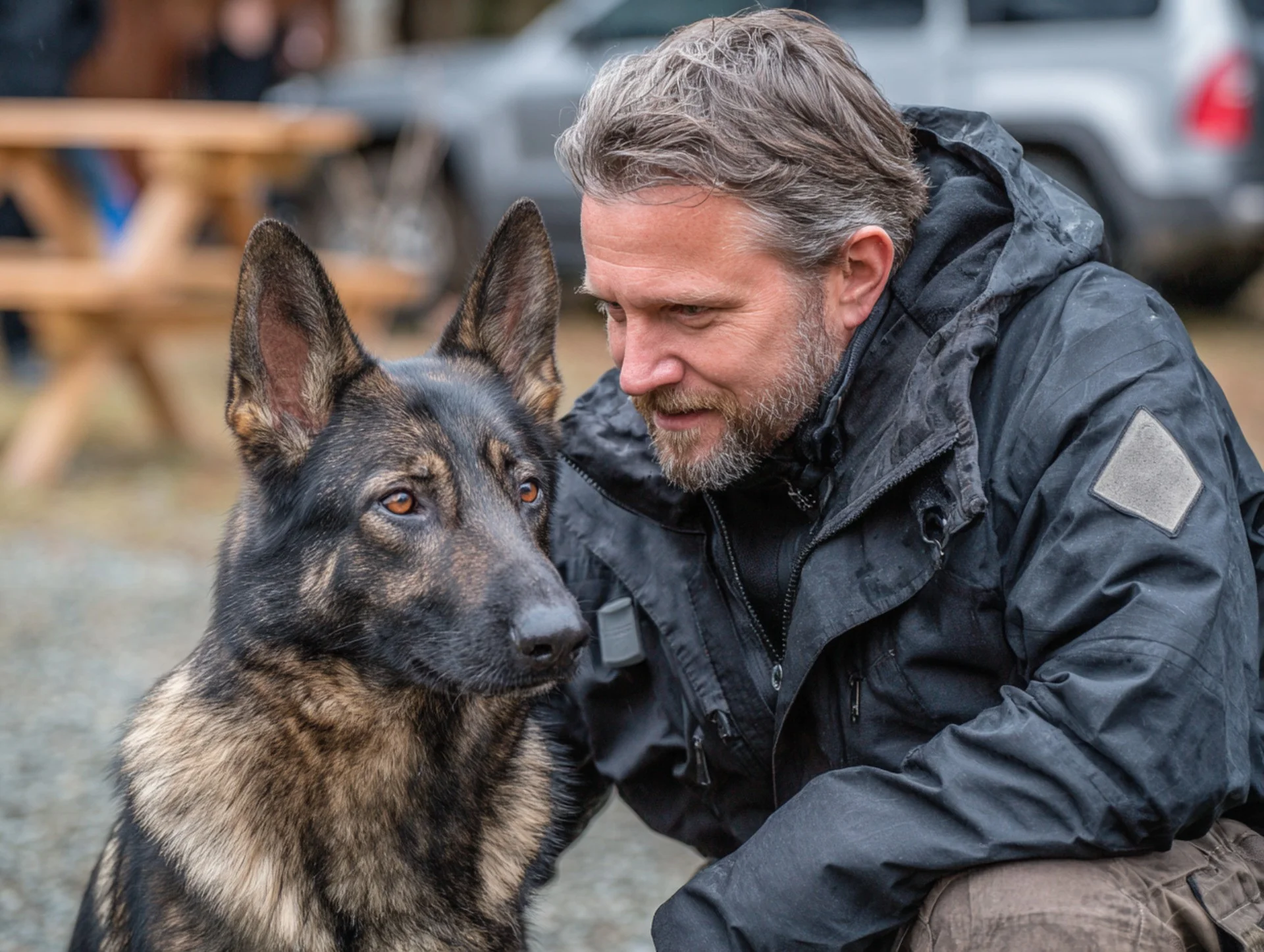
Bringing home a highly trained protection dog can be a thrilling experience, but it also comes with responsibility. These dogs are confident, alert, and loyal by nature, yet earning their trust requires intention and patience. The early days together shape how your relationship will develop in the long run, making it essential to create a strong emotional bond built on respect, consistency, and clear communication.
Whether you have chosen a German Shepherd, Belgian Malinois, or another loyal working breed, the principles of bonding remain the same. A solid partnership begins with understanding how your canine sees the world and learns to trust you as both guardian and companion.
Understanding the Nature of a Protection Dog
Protection dogs are social animals who want friendship, despite their training. Unlike untrained companions, these dogs prefer structure and leadership. Their instincts warn them to stay attentive and watch their tone, actions, and energy.
Your approach can be adjusted by knowing their disposition. These dogs like quiet confidence to dominance. However, emotional inconsistency may confuse them. Trust requires predictability and dependability. Your dog will respect you if it sees you staying calm.
First-day obedience and protection activities are not imperative. Instead, let your new dog adjust to your home. Let them sniff, investigate, and observe without pressure. Being present and quiet builds trust.
Building a Foundation of Mutual Respect
Consistency builds trust. Every action matters because dogs communicate mostly through body language, tone, and energy. Establish sleeping, feeding, and exercise routines. Your dog trusts you when you’re predictable.
A few strategies to start the bonding process include:
- Controlled walks: Take your dog on relaxed walks in quiet areas to create positive first experiences. Avoid crowded places early on.
- Gentle communication: Use a calm, steady voice. Sudden movements or loud tones can seem like a threat.
- Reward-based interaction: Use treats, play sessions, and praise as reinforcement. Keep moments enjoyable but balanced with structure.
When your protection dog understands that attention and rewards come from good behaviour, it starts to view you as a fair and trustworthy leader.
Creating Trust Through Positive Training
Practice improves understanding. Exercise regularly for 10–15 minutes. The activity stays focused and enjoyable for this length. Concentrate on “sit”, “stay”, and “come”.
British trainers like LinkK9 highlight that relationship-based training establishes a stronger bond than command-driven routines. Do not dominate, but cooperate. Truly trusted dogs follow without being coerced.
Training should not involve harsh punishments. These can make the dog wary. Redirect unwanted behaviour patiently and consistently. A positive session ending boosts your dog’s trust in you.
The Role of Socialisation
Human interaction is essential to bonding. Let your dog become used to new people, animals, and places. Protection dogs might feel hesitant in unexpected surroundings if not properly exposed.
Start with gentle introductions to reassure them. They’ll learn new places are secure with you. Slow exposure convinces your dog that you are secure and trustworthy, building trust.
Don’t hurry. Previous training and personality determine a dog’s comfort level. However, younger canines may relax faster than retired working dogs. You’re finest with patience and observation.
Reading Body Language to Strengthen Your Bond
You can respond better by reading the dog’s body language. Protection dogs show anxiety and uncertainty by lip-licking, yawning, or turning away. Respecting these signals displays empathy, which creates trust faster.
Find out when your dog is happy. Relaxed ears, a gentle gaze, and a wagging tail show comfort. Remain calm to match that intensity. Your calm trust exchange will strengthen your friendship.
Consistency Builds Confidence
Dogs thrive in stable environments. Consistency in behaviour, training schedule, and even tone of voice helps them feel secure. Avoid changing rules frequently. If something is off-limits, it must remain so.
Many owners notice that once their dogs understand daily expectations, they grow calmer and more affectionate. Predictability becomes the key to emotional safety, allowing your dog to relax and show its true personality.
Establishing grip and control in a protection setting should only come once the emotional connection is secure. A bonded dog will perform better in demanding scenarios because it works from trust, not fear. Trainers at LinkK9 highlight that strong emotional relationships accelerate progress in advanced protection work.
Bonding Through Exercise and Play
Active breeds need mental and physical stimulation. Exercise relieves anxiety and boosts energy. It also offers organised positive engagement.
Do fetch, scent games, or agility exercises. The games improve communication and keep your dog fit and happy. To retain excitement, change routines, but conclude playtime calmly to reinforce control and balance.
Mental enrichment matters. Puzzle toys, scent activities, and obedience games keep your dog engaged and avoid boredom. Because the dog learns to solve issues under your direction, challenging the intellect fosters trust.
Keeping Trust Over Time
Trust is something that is developed daily. Continue to reinforce good behaviour with consistency and enjoyable experiences. Although protective dogs are devoted, they may occasionally test boundaries. Respond calmly and reinforce the training ideas you established before.
Regular health check-ups, good nutrition, and attention to comfort all contribute to a healthier relationship. When your dog feels physically healthy and comfortable, it automatically associates you with dependability and safety.
Ultimately, bonding with a protective dog is about partnership more than control. The stronger your bond, the more responsive and fulfilled your dog becomes, both as a guardian and buddy.
Bringing it all together
Building a bond with your protective dog takes time. Mutual regard, positive reinforcement, and routine consistency build trust. Soon, your dog will guard you and be your best friend.
Effective training and companionship depend on a strong human-canine bond. Spend time getting to know your new guardian to create trust and loyalty.