
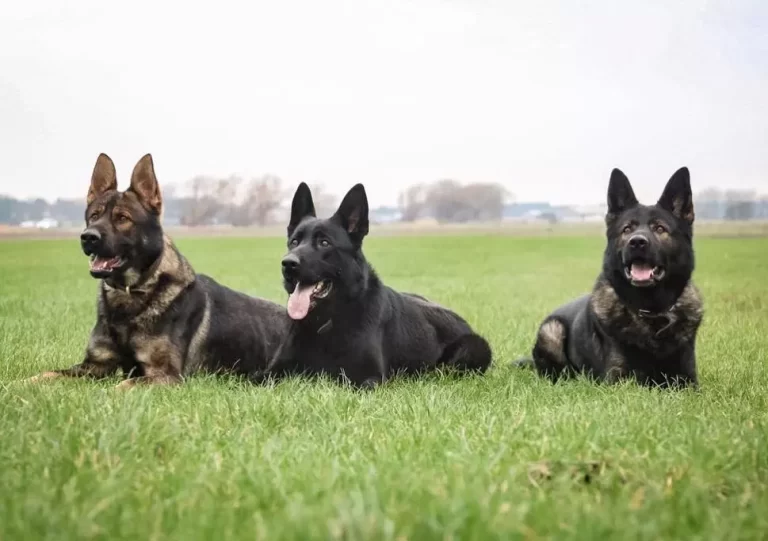
A well-trained protection dog does more than just keep you safe. When someone breaks in without warning, these animals act quickly because they have strong senses, trust themselves, and obey. Many families in the UK feel safer and more confident when they have a trained guard dog. They know that the dog will act properly in times of danger.
This guide discusses how guard dogs typically behave when someone breaks during home intrusion, what methods are most effective in deterring intruders, and how to stay safe and compliant with UK regulations. It also shows the limits, since a dog can’t take the place of good home protection or calm planning.
Understanding the Instincts Behind Protection Dogs’ Reactions
Before they even start training, protection dogs have strong instincts to protect their territory. Animals like German Shepherds, Rottweilers, and Belgian Malinois are typically alert and watchful of their surroundings. When these dogs witness something strange, they usually become more alert long before an intruder breaks in.
Formal training improves their natural behaviour, enabling animals to distinguish between normal disturbances and real threats. Trainers with a favourable reputation teach dogs how to stay calm when they are scared so that they can assess the situation without getting heated. Maintaining this disciplined attitude is crucial in the home, as it enables them to distinguish between a dangerous and a harmless friend, thereby preventing chaos.
How Trained Dogs Identify a Real Threat
In real home intrusion, trained canines react to footsteps, scent changes, and abrupt noises. They immediately detect the uneasiness and unusual body movements of trespassers.
Trained dogs react tactfully rather than quickly. Focused and controlled, they put themselves between their handler and the perceived danger. This behaviour pattern is the consequence of several controlled training scenarios, where dogs respond to their handler’s signals.
Professional trainers teach canines threat discrimination to distinguish a buddy from an adversary. This talent protects family and guests while defending against intruders.
Step-by-Step Response During a Home Intrusion
When facing an active intrusion, a fully trained guard dog follows a precise behavioural sequence:
- Alert Phase: The dog picks up distant cues such as footsteps or unfamiliar scents and immediately raises its awareness level.
- Assessment Phase: Instead of barking uncontrollably, the dog listens and observes quietly to verify the source of the disturbance.
- Warning Phase: A controlled but deep bark signals both the household and the intruder that the dog is on duty.
- Engagement Phase: If the intruder proceeds, the dog positions itself strategically, maintaining defensive readiness.
- Handler Commands: At this point, the dog waits for verbal cues before escalating action. Trained protection dogs never attack without command, which ensures handler control and public safety.
- Containment and Control: Should engagement occur, the dog aims to immobilise rather than injure, keeping the intruder contained until help arrives.
These actions are the result of repetitive, realistic training drills. In high-stress events, discipline replaces panic, enabling dogs to perform with precision even when chaos unfolds around them.
The Role of Professional Training in Emergency Responses
Professional training programs underpin reliable protective behaviour. Link K9 simulates security incidents with real-world conditioning. They assist dogs in distinguishing environmental sounds, staying calm under duress, and focusing on handler directions despite distractions.
Dogs learn their property responsibilities through training and border recognition. To keep animals receptive, trainers balance obedience with biting training. Even when the dog watches for threats, family and visitors are safe.
Identifying Early Warning Signs
Detecting tiny behavioural indications from a protection dog can avert full-scale intrusions for homeowners. Raised ears, stiff posture, and an intense gaze usually indicate detection. A low growl or bark raises distrust. Turning on lights or monitoring security systems quickly can repel burglars before a confrontation.
The Importance of Controlled Aggression
Controlled aggression is crucial to protective training. Dogs must control their defensiveness and respond predictably. Professional handlers teach restraint so dogs can halt mid-action on demand. Courage and calmness make an animal a reliable security companion, not a risk.
How Link K9 Ensures Reliable Dog Behaviour
Link K9 focuses on real-world readiness through progressive stages of obedience, environmental conditioning, and social tolerance. Their training ensures dogs respond effectively in both public and private settings. The goal is to balance security instincts with everyday companionship.
Handlers receive instruction, too, allowing owners to reinforce correct responses during daily routines. This partnership between dog and handler is essential for consistent performance. The process develops confidence on both sides, resulting in a balanced defender capable of calm protection without excessive aggression.
What to Expect When Living with a Guard Dog
Keeping a protection dog involves dedication, knowledge, and respect. Regular obedience, mental, and social exercises help retain attention. Intelligent and structure-loving, these dogs are deterrents and companions.
Being around a trained guard dog calms families. Only their presence deters most predators, and their disciplined responses reassure owners that they can handle situations.
Handler-dog trust is essential. The animal stays attentive and approachable with regular involvement, orders, and social exposure. The ideal household guardian is vigilant, devoted, and emotionally stable.
Next Step
In real-life home intrusion scenarios, protection dogs display a blend of instinct, training, and calm judgment. Their ability to analyse situations, follow commands, and act decisively reflects the extensive preparations behind every move. With proper professional guidance, such as the structured programs provided by Link K9, homeowners gain not just protection but also a partnership designed around mutual trust and safety.