
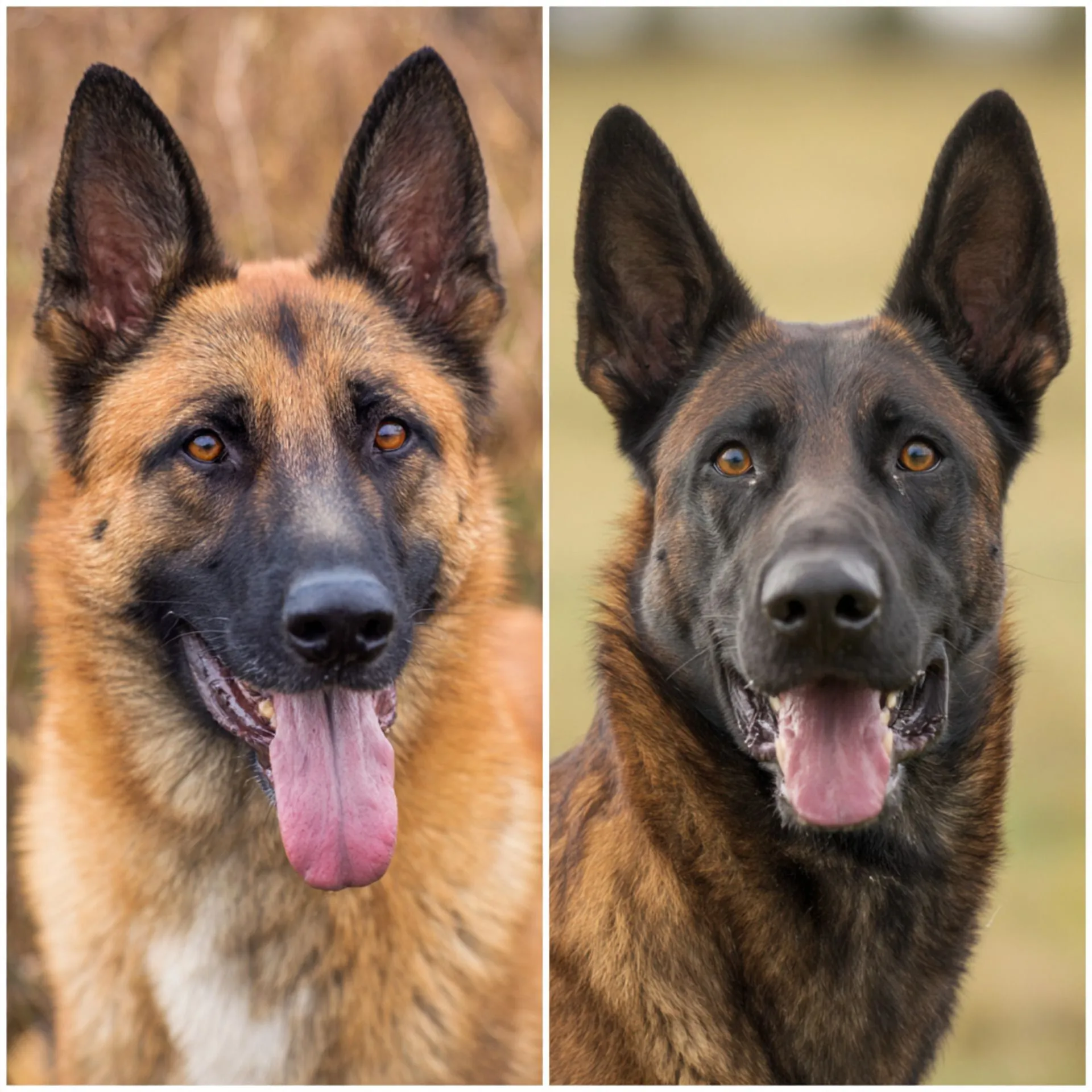
Choosing a protection dog is one of the most significant decisions a family can make. These animals become more than pets; they are guardians, companions and loyal members of the household. When it comes to family protection, two breeds consistently dominate the conversation: the German Shepherd and the Belgian Malinois. Both possess extraordinary capabilities, but they serve different lifestyles and family dynamics in distinct ways.
Understanding the nuances between these two remarkable breeds will help you make an informed choice that benefits both your family and your future four-legged companion.
Understanding the Role of a Family Protection Dog
A protection dog should not be aggressive, unpredictable, or overreactive. A competent family guardian should be stable, well-socialised, and able to live at home. The goal is to maintain controlled confidence rather than engage in unneeded confrontation.
In the United Kingdom, owners must be aware that any dog might cause legal issues if it becomes dangerously out of control. The person in charge of the dog is legally responsible; thus, training, handling, and management are all important daily. The Guard Dogs Act also requires the use of conspicuous warning signs when a guard dog is present on the premises.
This is why competent providers, such as Link K9, prioritise compatibility, education, and a structured approach over merely matching a household with the most intensive breed.
The Origins and Purpose of Each Breed
The German Shepherd originated in Germany in the late 19th century and was bred primarily for herding and guarding animals. Their intelligence and agility led them to careers in law enforcement, the military, and family protection. Their reputation for devotion and trainability has earned them a place among the world’s most popular breeds.
The Belgian Malinois hails from the city of Malines in Belgium. Originally designed as a herding dog, this breed has become the preferred choice of many military and police organisations throughout the world. Their lightweight physique and explosive energy make them extremely agile, and their sharp wits enable them to flourish in tough operational conditions.
Both breeds have working dog origins, but their evolutionary routes have resulted in minor variances that are important to consider when choosing a guardian for your house.
Temperament and Family Compatibility
When considering selecting a guard canine for your household, temperament should be the most important criterion.
German Shepherds are known for their balanced personalities. They form strong bonds with their family members, including youngsters, and are often patient with younger household members. Their protective instincts kick in when serious threats arise, but they normally remain calm in ordinary situations. This breed is more forgiving of imperfections in handling, making it ideal for families new to working breeds.
Belgian Malinois have an intensity that distinguishes them. Their desire to work and satisfy their handler is unparalleled, yet this quality can create trouble in situations that lack appropriate stimulation. These dogs demand experienced handlers who know how to use their energy constructively. Families with young children or little time for training may find the demands of a Malinois difficult.
The fundamental difference between the two breeds lies in their default energy levels. A German Shepherd may adapt to a fairly active home, but a Malinois thrives only when provided with regular physical and mental stimulation.
Training Requirements and Learning Capacity
Both breeds rank among the most trainable dogs in existence, yet their learning styles differ considerably.
Working with a German Shepherd
German Shepherds respond well to consistent, positive training methods. They learn commands reliably and retain their training over long periods. Their desire to please combines with natural intelligence to create a dog that enjoys learning new tasks. Most families find that basic obedience and protection training progress smoothly with this breed.
Professional trainers often recommend German Shepherds for first-time protection dog owners. Their forgiving nature means that minor training errors rarely create lasting behavioural issues.
Working with a Belgian Malinois
A Malinois is enthusiastic about training but needs precision from its handler. These dogs learn quickly, often in just a few repetitions. However, their intelligence allows them to spot irregularities and exploit training inadequacies.
Dogs need lifelong training from their owners. Boredom can cause damaging behaviours or make Malinois difficult to manage. Link K9 specialists say this breed is best for households willing to spend time on structured exercise and education.
Physical Characteristics and Care Needs
Size and Build Differences
German Shepherds typically weigh between 30 and 40 kilograms, with males standing around 60 to 65 centimetres at their shoulders. Their solid build provides them with an imposing presence that naturally deters potential threats.
Belgian Malinois are generally lighter, weighing between 25 and 30 kilograms. Their leaner physique allows for greater speed and agility. This build makes them exceptional at tasks requiring quick movement but may appear less intimidating to casual observers.
Grooming and Health Considerations
German Shepherds possess a thick double coat that sheds heavily, particularly during seasonal changes. Regular brushing becomes essential to manage loose fur and maintain coat health. The breed faces some genetic health concerns, including hip and elbow dysplasia, which responsible breeders screen for carefully.
Belgian Malinois have shorter coats that require less maintenance, though they still shed year-round moderately. Generally considered a hardy breed, they face fewer hereditary health issues, though their high activity levels can lead to injuries if not managed appropriately.
Choosing the Right Protection Dog for Your Lifestyle
Your choices depend on your lifestyle, experience, and commitment. A German Shepherd often suits families with children, varied routines or first-time protector dog owners, thanks to its steady and adaptable nature.
A Belgian Malinois is better suited for highly active, experienced households that can provide intensive daily training and exercise. Whichever breed you choose, expert support is essential. Reputable specialists, such as Link K9, can help with selection, training, and safe integration into family life, ensuring your chosen dog becomes a confident, reliable guardian.