
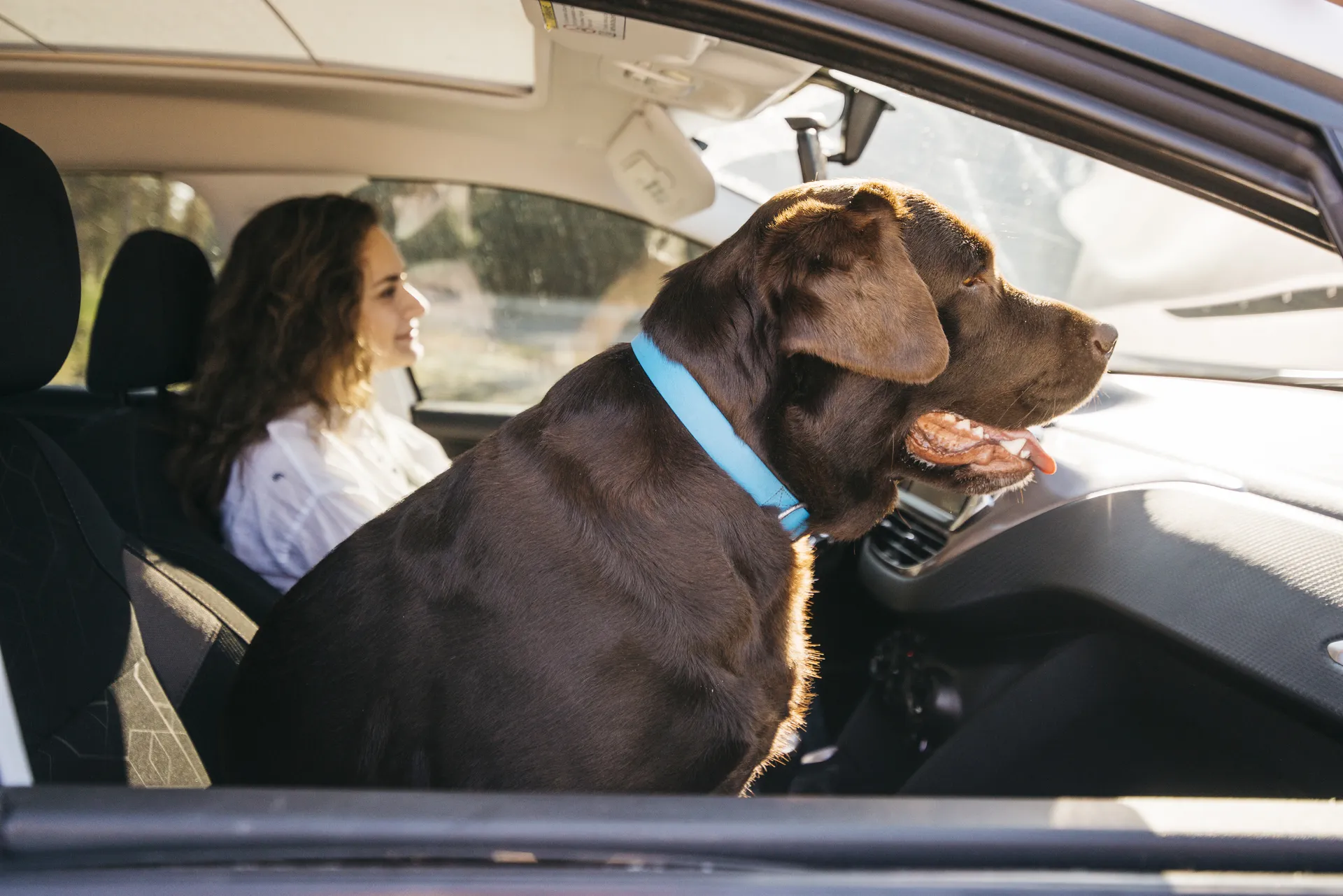
Travelling with a trained protection dog calls for more than packing a lead and setting off. These dogs often work closely with their handler, read situations quickly, and rely on structure. That means a smooth journey depends on preparation, calm handling, and a clear routine. Experienced trainers, including teams such as Link K9, often stress that travel safety begins long before the car starts moving.
The good news is that safe travel is built on simple habits. A dog that can settle, rest, drink, and follow familiar cues will usually cope better with change. Whether you are heading off for a weekend break or a longer trip across the UK, the aim stays the same. Keep your dog secure, reduce stress, and protect welfare at every stage.
Travelling with a Protection Dog: Why Planning Matters
When travelling with a protection or security-trained animal, careful planning is essential. Noise, crowd movement, or unusual settings can unsettle even the most confident dog if they lack proper preparation. Responsible handling reduces stress for your dog and helps them stay focused.
A clear travel itinerary includes rest stops, feeding times, and knowledge of where dogs are permitted. It is also necessary to examine local laws before entering certain places or public spaces, as some may have unique rules regarding protection dogs, such as restrictions on their presence in certain areas or requirements for leashing and muzzling. Making these checks ahead of time prevents you from having to deal with problems later on.
What to Know Before You Start Travelling with a Protection Dog
Every protection dog is unique, and learning how your partner behaves in new situations can allow you to plan more efficiently. Before leaving, get your dog used to automobile rides or public transportation. Short local travels are the most effective approach to boost their confidence before longer journeys.
Pack all necessary items, such as identity tags, current vaccination records, and portable water containers. Travelling also requires being prepared for emergencies. Keep a modest first-aid kit and the contact information for your local veterinarian or the nearest office along your journey.
You’ll also want to have the necessary equipment, such as a safe harness or an approved travel cage. Make sure your vehicle is well-ventilated and maintain a pleasant inside temperature. A stable and tranquil environment enables your dog to relax, lowering the likelihood of anxiety or movement-related discomfort.
Protection dogs, like those trained by Link K9, are employed for discipline and structure, providing a sense of security and stability that can further help in creating a calm environment for your dog during travel. Maintain this comfort on the road by following consistent habits. Maintaining a consistent feeding, exercise, and sleeping schedule allows your dog to readily adjust to new settings.
5 Pieces of Advice for Travelling Safely with Your Dog
1. Create a Calm Environment
Relaxed dogs are calmer and easier to handle. Release energy by exercising your dog before leaving. This helps them settle quickly on the trip. Allow them to rest while travelling, avoid loud noises, and keep the radio at a suitable level.
2. Use Proper Safety Equipment
Harnesses or crash-tested crates safeguard you and your dog during sudden stops. Buy seat covers and comfort bedding for lengthy flights. Check rail and ferry guidelines in advance, as some demand special limitations, such as specific crate sizes or health documentation for your dog.
3. Manage Public Interactions Carefully
Even the most trained dog can misinterpret crowds or surprises. When in public, keep them on a short lead. Always practice ‘sit‘, ‘remain‘, and ‘heel‘ to keep control in unfamiliar circumstances. Never let outsiders in without permission.
4. Schedule Regular Breaks
Dogs need routine rest, hydration, and toilet stops. Plan breaks every two to three hours in quiet areas where they can stretch, walk, and drink. Avoid overfeeding before long drives, as such actions may cause discomfort. Short breaks also help keep you alert and refreshed.
5. Monitor Health and Behaviour
Watch for severe panting, drooling, and restlessness. If these occur, stop and let your dog recuperate before continuing. Avoid leaving your dog in a parked car and bring a mobile water bowl. Even on moderate days, heat can develop quickly.
Regular training refreshers before travel improve concentration and compliance. Your dog’s protective instincts must be calm and responsive. Continued, gentle reinforcement maintains balance.
When to Seek Professional Guidance
Sometimes, even seasoned handlers need professional counsel before extended dog trips. Trainers and behaviour specialists can spot travel anxiety early and offer stress-reduction advice. They may suggest short exposure sessions, obedience refreshers, or feeding and exercise changes.
Your dog’s trainer helps new handlers navigate real-world travel conditions. Professionals can teach you commands to quiet your dog with new people or loud noises.
Professional supervision can ease early journeys for your new protection dog, especially as it becomes accustomed to public areas. Structured training protects your dog and makes others comfortable.
Safe travel requires discipline, calm energy, and handler/dog trust, while protective work emphasises vigilance and defence. Beyond traditional training, these traits develop over time and with practice.
Making Every Journey a Positive Experience
Travelling with a protective dog requires dedication, preparation, and mutual respect. Every excursion should build your bond and reinforce obedience in strange environments. Avoid hurrying your dog through stressful situations; instead, go gradually while rewarding calm and consistent behaviour.
Small tweaks, such as keeping a familiar blanket or a favourite toy close, might help boost confidence. Each successful excursion teaches your dog to see travel as a regulated, secure environment.
Protection dogs provide peace of mind, but they rely entirely on your persistence and patience. When both the handler and the dog understand their roles, travel becomes simple and joyful.
By taking these practical actions, paying attention to your dog’s requirements, and conducting frequent training, you can ensure that every travel is secure, comfortable, and focused on well-being.