
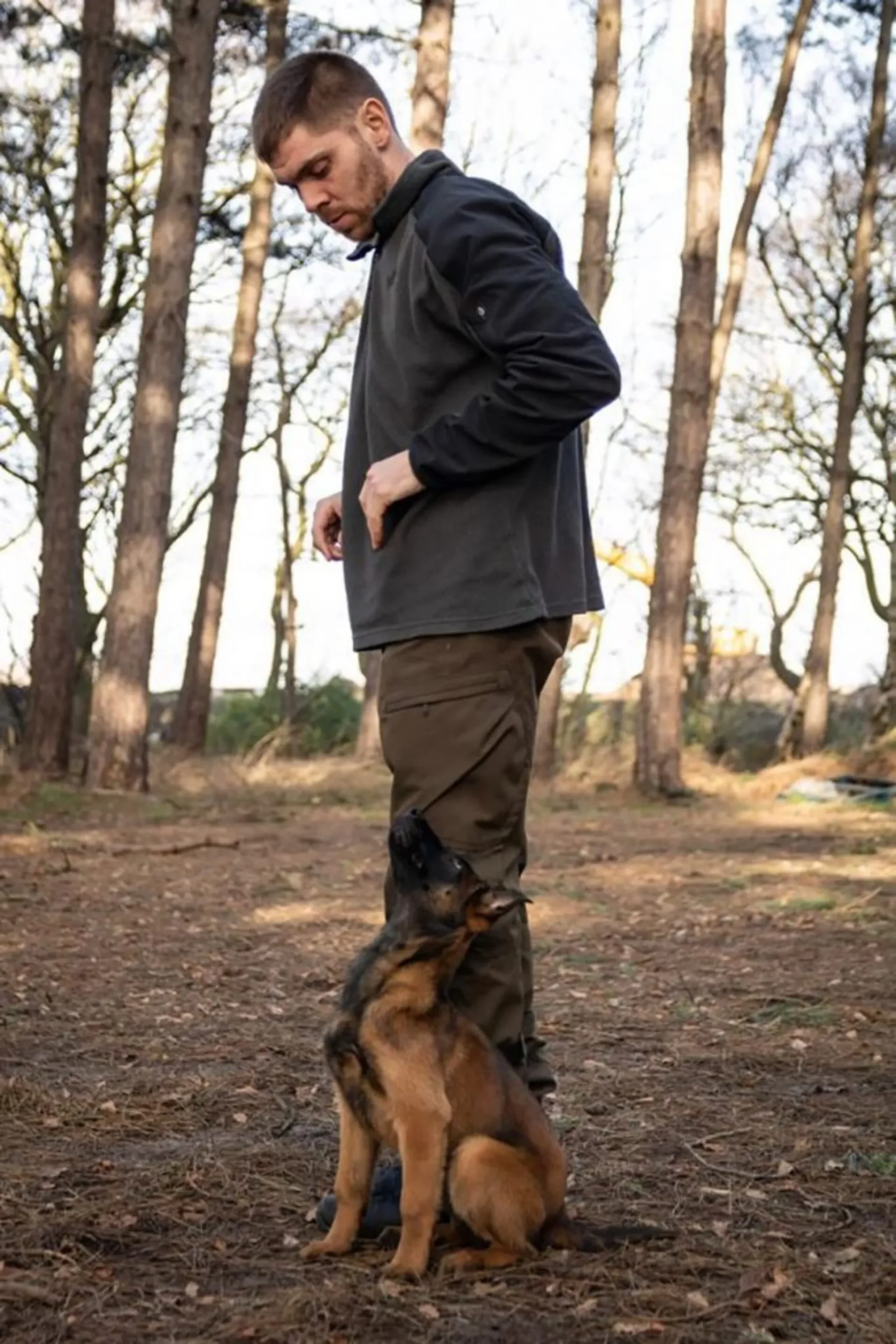
Many owners and handlers hear the term “dog performance assessment” and wonder what happens on the day. The procedure may sound complicated, but it is usually simple when broken down into distinct stages. A satisfactory assessment cannot be used to trick a dog or compel a result. It exists to better study how dogs think, move, respond, and cope in an organised environment.
This assessment applies whether the dog is a family pet, a working breed, a sporting breed, or a dog trained for a specific function. A comprehensive evaluation enables trainers and owners to make informed judgements based on data rather than conjecture. It also protects welfare by demonstrating what the dog can do now, what requires assistance, and what is unreasonable to demand too soon.
Why a Dog Performance Assessment Matters
A strong assessment provides context. The assessment examines temperament, motivation, focus, resilience, and the relationship between the dog and handler. It also highlights strengths that might otherwise go unnoticed, such as quick recovery after distraction or strong food drive. At the same time, the process reveals areas that need further work, including environmental sensitivity, low confidence, poor impulse control, or uncertainty around cues.
In practical terms, an assessment provides a starting point. It aids in developing training strategies, setting realistic goals, and avoiding unsuitable jobs. Reputable professionals don’t rely on a single big occasion. They observe patterns. They compare conduct in various tasks and circumstances. That is why experienced teams, such as Link K9, frequently place as much emphasis on observation and note-taking as on formal exercises.
Common Reasons Owners Book An Assessment
Many owners book an assessment when their dog’s behaviour changes suddenly, training progress stalls, or they are considering work that requires a consistent temperament, such as therapy or assistance visits. Others use it as a general check to ensure that their companion is content, comfortable, and capable of coping with their typical schedule.
How To Prepare Your Dog For Assessment Day
Good preparation allows your dog to exhibit normal behaviour rather than an exaggerated stress reaction. Keep the day prior as normal as possible, with regular walks, meals, and rest, to avoid your dog arriving overly enthusiastic or weary.
What to Bring or Do on the Day
- Bring a comfort item: A favourite blanket or toy can help your dog feel more secure in a new environment.
- Pack some treats: Small, tasty treats are useful for keeping your dog focused and rewarding positive behaviour throughout the day.
- Use a reliable lead: Make sure your dog is on a secure lead, especially in waiting areas or around other dogs.
- Make sure they are ready: Check that your dog is clean and has had the chance to go to the toilet before the assessment begins.
How Link K9 Style Assessments Can Help
Link K9 style tests assess whether a guard dog meets high standards for behaviour, obedience, control, and dependability. These tests ensure the dog can protect when needed while remaining safe, stable, and responsive to training in a family environment.
Key benefits of a Link K9-style assessment
- Identify areas of weakness: The assessment reviews the dog’s obedience, responsiveness and control to highlight any gaps in training that may affect its suitability for advanced protection work.
- Review safety and temperament: Behaviour is examined in a range of controlled situations to ensure the dog remains balanced, dependable and safe around family members and the public.
- Create a tailored training plan: Following the assessment, a personalised training programme can be developed to suit the dog’s needs. This often includes focused one-to-one work with both the handler and the dog.
- Assess dogs from unknown backgrounds: If a protection dog has been purchased or trained elsewhere, the assessment can help establish its temperament, working ability and any underlying issues that may need attention.
- Support long-term development: These evaluations also measure progress over time through refresher sessions, ongoing support, or residential training to maintain obedience and performance.
- Promote a balanced protection dog: The overall aim is to ensure the dog is not only protective when required but also calm, obedient and trustworthy in everyday life.
Experienced handlers carry out Link K9-style assessments and understand the demands placed on a protection dog. Their role is to ensure the dog can perform its task responsibly while remaining a controlled and well-adjusted companion.
Supporting Your Dog After The Assessment
Once you have your results, the most crucial step is to follow the advice consistently rather than trying to change everything at once. Small, constant changes to routine, environment, and training frequently result in longer-lasting improvement than dramatic short-term efforts.
Regular check-ins with your chosen professionals allow you to revise the plan, recognise successes, and identify potential difficulties early. Over time, many owners discover that the understanding obtained from the initial assessment increases their confidence in reading their dog’s signals and advocating for their comfort in daily life.
Final thoughts
A dog’s performance assessment is an organised picture of conduct, skill, and suitability. History, welfare checks, temperament reviews, obedience challenges, environmental exposure, and professional feedback are typical. Avoid making the dog appear acceptable for a moment. It is important to understand how the dog functions and how this impacts its training or work.
The process is fair, instructive, and dog-friendly when done effectively. That helps owners, handlers, and professionals make better decisions and achieve better results.